Buy mecklenburg.info ?
We are moving the project
mecklenburg.info .
Are you interested in purchasing the domain
mecklenburg.info ?
domain@kv-gmbh.de · 0541-91531010
Buy mecklenburg.info ?
What is the history of caricature?
Caricature has a long history dating back to the Italian Renaissance, where artists like Leonardo da Vinci and Albrecht Dürer created exaggerated portraits for amusement. In the 18th century, caricature became a popular form of political satire in England, with artists like James Gillray and Thomas Rowlandson using it to mock public figures and social issues. Caricature continued to evolve in the 19th and 20th centuries, with artists like Honoré Daumier and George Cruikshank using it to comment on the political and social climate of their time. Today, caricature remains a popular art form used for entertainment, satire, and social commentary. **
What is a caricature in history?
A caricature in history is a satirical or exaggerated representation of a person or group, often in the form of a drawing or cartoon. Caricatures are used to highlight and exaggerate certain features or traits of the subject in order to make a humorous or critical point. In history, caricatures have been used as a form of political commentary, propaganda, or social critique. They can provide insight into the attitudes and perceptions of a particular time period, as well as the power dynamics and conflicts that existed. **

Similar search terms for Caricature
Top-Angebote
Products related to Caricature:
-
Perfect Picks Market Beach Sand Castle Bucket Set For Kids Fun Outdoor Sandbox Toys green CastleBring imagination to life under the sun with this delightful kids sand toys set designed for endless beachside fun. Whether its a family day at the shore or backyard playtime, this vibrant beach sand set turns ordinary sand into magical castles and...34,97 $*Shipping: 0,00 $Secure redirect to the provider
-
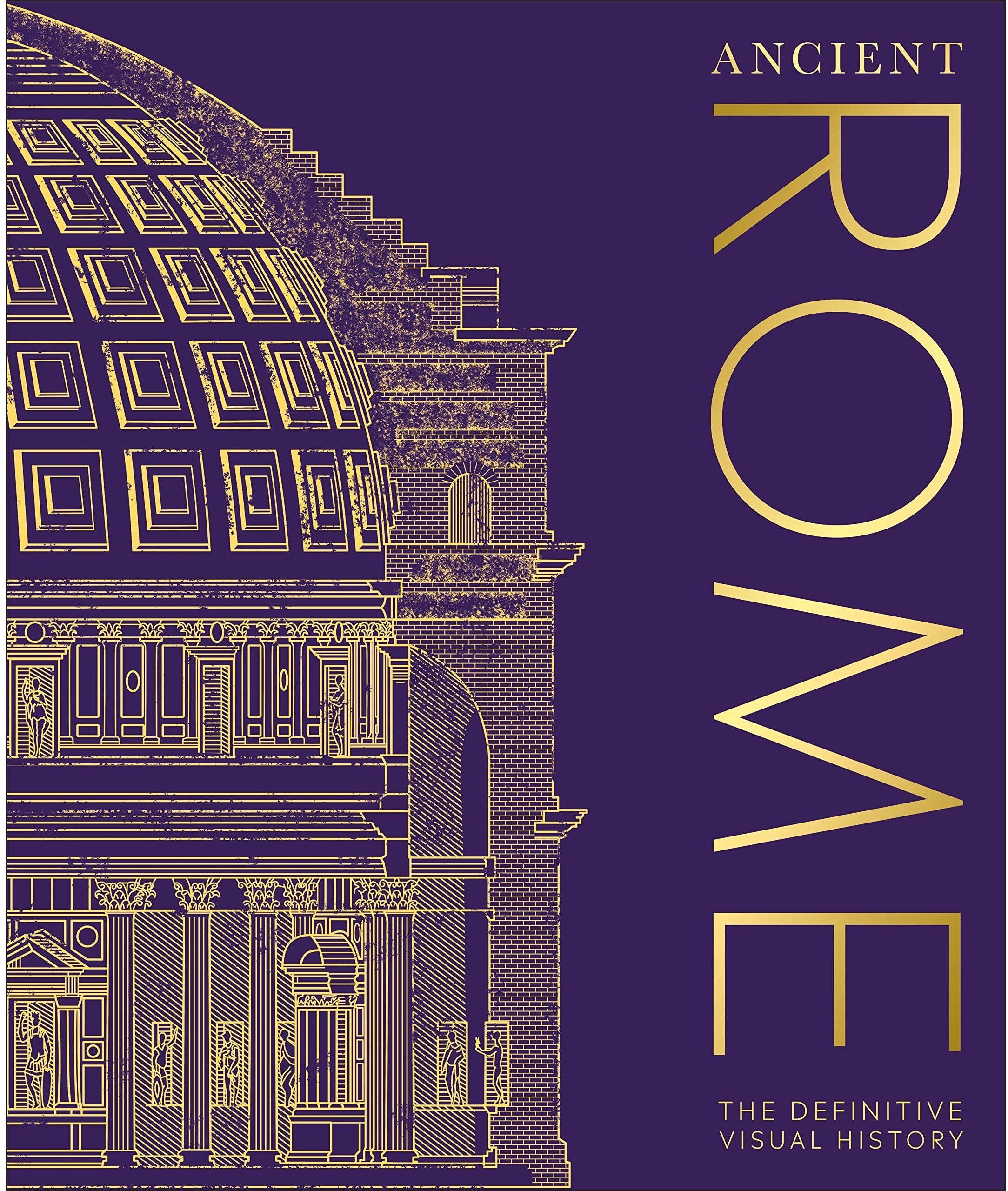
Ancient Rome: The Definitive Visual History (DK Classic History)Immerse yourself in the history of ancient Rome - from its origins as a small settlement on the Palatine Hill to its peak as an empire reigning over 90 million people, and its tumultuous decline. Covering more than 1,000 years of history, and an empire that stretched from Scotland to Syria, Ancient Rome reveals in vivid detail all of the key political, cultural, and military events that shaped the Roman Empire and explores what it was like to live in a society that laid the foundations for many aspects of the modern world. Sumptuous photography and engaging text cover every facet of life in ancient Rome, from art, entertainment, and fashion to engineering, medicine, and war, while detailed maps trace the rise of the mighty Roman Empire. Step back in time in the pages of this history book to discover:- Themed spreads explore developments in areas such as sculpture, religion, warfare, and engineering. - Includes tales of the most dramatic events and battles in Roman history, as well as profiles of influential historical and cultural figures. - An optional 80pp reference section includes sections on rulers, gods and goddesses, and key sites. Featuring Rome's greatest emperors, from Augustus to Constantine, as well as profiles of generals, historians, and influential women, Ancient Rome also delves into the fascinating stories of gladiators, bakers, and enslaved people. The most iconic buildings of Rome are brought to life with specially commissioned CGI recreations, while the stories of ordinary citizens, soldiers, and persecuted groups from across the empire are told with the help of illustrations, artefacts, and eyewitness accounts. Beautifully illustrated and unparalleled in scope, Ancient Rome is the perfect book for anyone who is interested in this defining period of world history.19,95 £*Shipping: 2,99 £Secure redirect to the provider
-
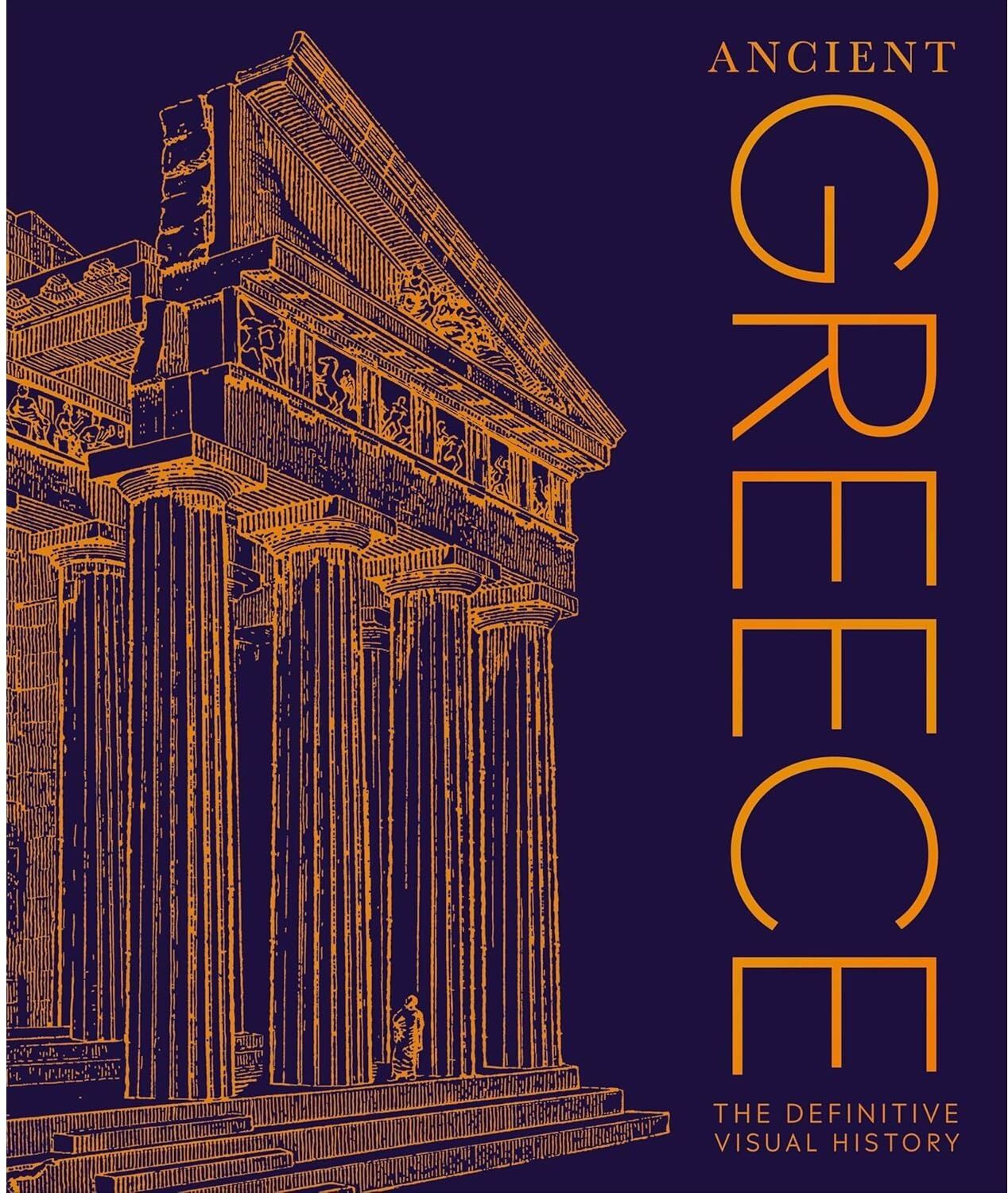
Ancient Greece: The Definitive Visual History (DK Classic History)Embark upon a fascinating journey through ancient Greece – from its rise and fall to its lasting legacy throughout the Western world. Spanning more than 3,000 years, Ancient Greece explores the tumultuous history of this glorious empire in vivid detail – from its Minoan and Mycenaean origins to the apogee of the warring city-states of Athens and Sparta, and from the death of its most charismatic leader, Alexander the Great, to its ultimate defeat by Rome. Sumptuous photography and authoritative, engaging text cover every facet of life in ancient Greece, from art, entertainment, and schools of thought to politics, medicine, and war, while the myths and religious beliefs of the ancient culture are explored and explained in depth. Greece’s military and political power shines through in fascinating maps of its legendary battles. Buried palaces and the Athenian Agora where Plato and Socrates discussed philosophy are brought back to life with stunning CGI artworks. And the stories of everyone from ordinary citizens to lawmakers and the first Olympic athletes are retold through eyewitness accounts and original artefacts.19,99 £*Shipping: 2,99 £Secure redirect to the provider
-
Titan Assassins Creed - The Complete Visual History: The Definitive Visual HistoryThis stunning book explores the rich mythology of Assassins Creed®, featuring the art and history of the series from the first groundbreaking game through the graphic novels to the DLCs. Highlighting the lush and vibrant art that has become a hallmark of the series, this luxury coffee-table book brings the games famous historical locations and figures to life and explores the evolution of each iconic Assassin and Templar.15,99 £*Shipping: 2,99 £Secure redirect to the provider


-
What does caricature represent in history?
Caricature represents a form of satire and social commentary in history. It is a way for artists to exaggerate and distort features of individuals or groups to highlight their flaws, characteristics, or societal issues. Caricatures have been used to mock political figures, social norms, and cultural stereotypes, providing a visual representation of the attitudes and beliefs of a particular time period. Overall, caricature serves as a reflection of the values, controversies, and humor of a society throughout history. **
-
What does caricature stand for in history?
Caricature in history is a form of art that exaggerates certain features or characteristics of a person or subject to create a humorous or satirical effect. It has been used as a tool to critique and comment on political figures, social issues, and cultural norms. Caricature can provide insight into the attitudes and beliefs of a particular time period, as well as serve as a form of entertainment and expression. **
-
What is the significance of caricature in history?
Caricature has played a significant role in history as a form of political and social commentary. It has been used to satirize and criticize powerful figures, institutions, and societal norms, often challenging the status quo and sparking important conversations. Caricatures can also serve as a reflection of the cultural and political climate of a particular time period, providing insight into the values and beliefs of society. Additionally, caricature has the power to evoke strong emotional responses and provoke change by exposing truths and injustices in a humorous and exaggerated manner. **
-
How do you analyze a caricature from history?
To analyze a caricature from history, start by examining the visual elements such as exaggerated features, symbols, and context. Consider the historical context in which the caricature was created, including political events, social issues, and cultural norms of the time. Look for any underlying messages or criticisms that the artist may be conveying through the caricature. Finally, compare the caricature to other sources from the same time period to gain a more comprehensive understanding of its significance. **


How do you analyze a caricature in history?
To analyze a caricature in history, it is important to first understand the context in which it was created. This includes considering the time period, political climate, and social issues of the era. Next, examine the visual elements of the caricature, such as exaggerated features or symbols used to represent certain ideas or individuals. Finally, interpret the message or satire being conveyed by the artist, taking into account the intended audience and the impact the caricature may have had on public opinion or historical events. **
How can one analyze a caricature from history?
To analyze a caricature from history, one can start by examining the context in which the caricature was created, including the historical events, social issues, and cultural norms of the time. It is important to consider the artist's perspective and the intended message of the caricature, as well as the target audience. Analyzing the visual elements such as exaggeration, symbolism, and stereotypes can provide insight into the artist's portrayal of the subject. Additionally, comparing the caricature to other historical sources and perspectives can help to gain a more comprehensive understanding of its significance. **
Top-Angebote
Products related to Caricature:
-
From the Archives: Black History and Culture Value PackThis brand-new series is rooted in a profound commitment to shedding light on some of the important -- and often lesser-known -- aspects of Black history. From the Archives features landmarks, events, people, and artistic endeavors that have played...26,99 $*Shipping: 0,00 $Secure redirect to the provider
-
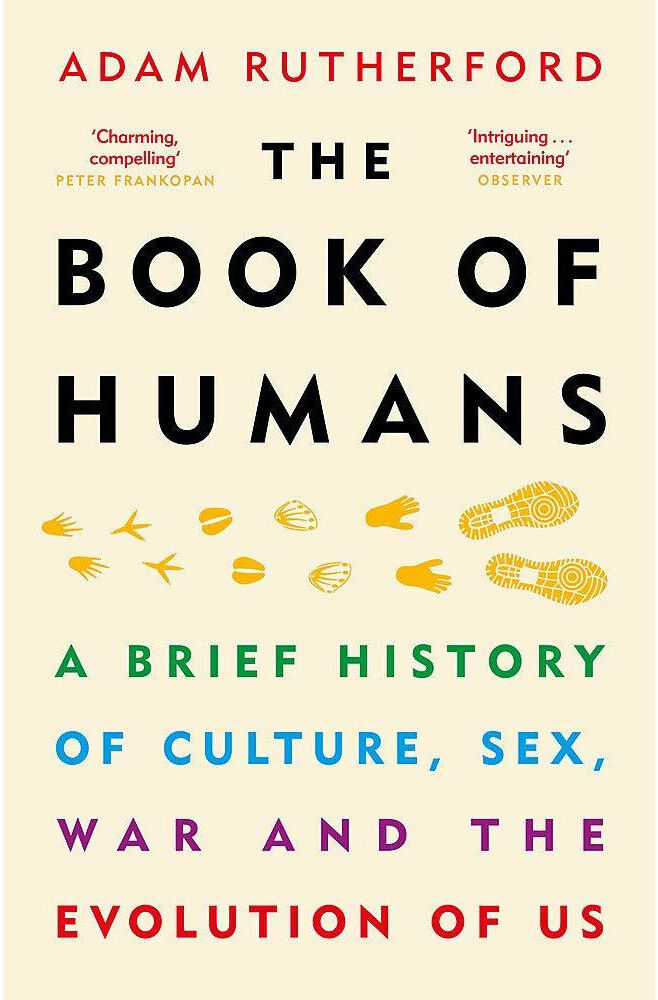
Orion The Book of Humans by Adam Rutherford – A Brief History of Culture, Sex, War & EvolutionWHAT MAKES US HUMAN? Waging war? Sex for pleasure? Creating art? Mastery of fire? In this thrilling tour of the animal kingdom, Adam Rutherford tells the story of how we became the unique creatures we are today. Illuminated by the latest scientific discoveries, THE BOOK OF HUMANS is a dazzling compendium of what unequivocally fixes us as animals, and reveals how we are extraordinary among them.4,98 £*Shipping: 1,99 £Secure redirect to the provider
-
Perfect Picks Market Beach Sand Castle Bucket Set For Kids Fun Outdoor Sandbox Toys green CastleBring imagination to life under the sun with this delightful kids sand toys set designed for endless beachside fun. Whether its a family day at the shore or backyard playtime, this vibrant beach sand set turns ordinary sand into magical castles and...34,97 $*Shipping: 0,00 $Secure redirect to the provider
-
Ancient Rome: The Definitive Visual History (DK Classic History)Immerse yourself in the history of ancient Rome - from its origins as a small settlement on the Palatine Hill to its peak as an empire reigning over 90 million people, and its tumultuous decline. Covering more than 1,000 years of history, and an empire that stretched from Scotland to Syria, Ancient Rome reveals in vivid detail all of the key political, cultural, and military events that shaped the Roman Empire and explores what it was like to live in a society that laid the foundations for many aspects of the modern world. Sumptuous photography and engaging text cover every facet of life in ancient Rome, from art, entertainment, and fashion to engineering, medicine, and war, while detailed maps trace the rise of the mighty Roman Empire. Step back in time in the pages of this history book to discover:- Themed spreads explore developments in areas such as sculpture, religion, warfare, and engineering. - Includes tales of the most dramatic events and battles in Roman history, as well as profiles of influential historical and cultural figures. - An optional 80pp reference section includes sections on rulers, gods and goddesses, and key sites. Featuring Rome's greatest emperors, from Augustus to Constantine, as well as profiles of generals, historians, and influential women, Ancient Rome also delves into the fascinating stories of gladiators, bakers, and enslaved people. The most iconic buildings of Rome are brought to life with specially commissioned CGI recreations, while the stories of ordinary citizens, soldiers, and persecuted groups from across the empire are told with the help of illustrations, artefacts, and eyewitness accounts. Beautifully illustrated and unparalleled in scope, Ancient Rome is the perfect book for anyone who is interested in this defining period of world history.19,95 £*Shipping: 2,99 £Secure redirect to the provider
-
What is the history of caricature?
Caricature has a long history dating back to the Italian Renaissance, where artists like Leonardo da Vinci and Albrecht Dürer created exaggerated portraits for amusement. In the 18th century, caricature became a popular form of political satire in England, with artists like James Gillray and Thomas Rowlandson using it to mock public figures and social issues. Caricature continued to evolve in the 19th and 20th centuries, with artists like Honoré Daumier and George Cruikshank using it to comment on the political and social climate of their time. Today, caricature remains a popular art form used for entertainment, satire, and social commentary. **
-
What is a caricature in history?
A caricature in history is a satirical or exaggerated representation of a person or group, often in the form of a drawing or cartoon. Caricatures are used to highlight and exaggerate certain features or traits of the subject in order to make a humorous or critical point. In history, caricatures have been used as a form of political commentary, propaganda, or social critique. They can provide insight into the attitudes and perceptions of a particular time period, as well as the power dynamics and conflicts that existed. **
-
What does caricature represent in history?
Caricature represents a form of satire and social commentary in history. It is a way for artists to exaggerate and distort features of individuals or groups to highlight their flaws, characteristics, or societal issues. Caricatures have been used to mock political figures, social norms, and cultural stereotypes, providing a visual representation of the attitudes and beliefs of a particular time period. Overall, caricature serves as a reflection of the values, controversies, and humor of a society throughout history. **
-
What does caricature stand for in history?
Caricature in history is a form of art that exaggerates certain features or characteristics of a person or subject to create a humorous or satirical effect. It has been used as a tool to critique and comment on political figures, social issues, and cultural norms. Caricature can provide insight into the attitudes and beliefs of a particular time period, as well as serve as a form of entertainment and expression. **
Similar search terms for Caricature
-
Ancient Greece: The Definitive Visual History (DK Classic History)Embark upon a fascinating journey through ancient Greece – from its rise and fall to its lasting legacy throughout the Western world. Spanning more than 3,000 years, Ancient Greece explores the tumultuous history of this glorious empire in vivid detail – from its Minoan and Mycenaean origins to the apogee of the warring city-states of Athens and Sparta, and from the death of its most charismatic leader, Alexander the Great, to its ultimate defeat by Rome. Sumptuous photography and authoritative, engaging text cover every facet of life in ancient Greece, from art, entertainment, and schools of thought to politics, medicine, and war, while the myths and religious beliefs of the ancient culture are explored and explained in depth. Greece’s military and political power shines through in fascinating maps of its legendary battles. Buried palaces and the Athenian Agora where Plato and Socrates discussed philosophy are brought back to life with stunning CGI artworks. And the stories of everyone from ordinary citizens to lawmakers and the first Olympic athletes are retold through eyewitness accounts and original artefacts.19,99 £*Shipping: 2,99 £Secure redirect to the provider
-
Titan Assassins Creed - The Complete Visual History: The Definitive Visual HistoryThis stunning book explores the rich mythology of Assassins Creed®, featuring the art and history of the series from the first groundbreaking game through the graphic novels to the DLCs. Highlighting the lush and vibrant art that has become a hallmark of the series, this luxury coffee-table book brings the games famous historical locations and figures to life and explores the evolution of each iconic Assassin and Templar.15,99 £*Shipping: 2,99 £Secure redirect to the provider
-
Inspired Living Coastal Wooden Fish Wall Decor Set Of 4 For Beach House And Lake House Coastal Wooden Fish Wall Decor Set Of 4 For Beach House And Lake HouseBring home that breezy, bythewater feeling with this charming wooden fish wall decor set. Designed for anyone who loves relaxed, seasideinspired interiors, these fish accents add warmth, personality, and a playful coastal touch without overwhelming...55,97 $*Shipping: 0,00 $Secure redirect to the provider
-
What is the significance of caricature in history?
Caricature has played a significant role in history as a form of political and social commentary. It has been used to satirize and criticize powerful figures, institutions, and societal norms, often challenging the status quo and sparking important conversations. Caricatures can also serve as a reflection of the cultural and political climate of a particular time period, providing insight into the values and beliefs of society. Additionally, caricature has the power to evoke strong emotional responses and provoke change by exposing truths and injustices in a humorous and exaggerated manner. **
-
How do you analyze a caricature from history?
To analyze a caricature from history, start by examining the visual elements such as exaggerated features, symbols, and context. Consider the historical context in which the caricature was created, including political events, social issues, and cultural norms of the time. Look for any underlying messages or criticisms that the artist may be conveying through the caricature. Finally, compare the caricature to other sources from the same time period to gain a more comprehensive understanding of its significance. **
-
How do you analyze a caricature in history?
To analyze a caricature in history, it is important to first understand the context in which it was created. This includes considering the time period, political climate, and social issues of the era. Next, examine the visual elements of the caricature, such as exaggerated features or symbols used to represent certain ideas or individuals. Finally, interpret the message or satire being conveyed by the artist, taking into account the intended audience and the impact the caricature may have had on public opinion or historical events. **
-
How can one analyze a caricature from history?
To analyze a caricature from history, one can start by examining the context in which the caricature was created, including the historical events, social issues, and cultural norms of the time. It is important to consider the artist's perspective and the intended message of the caricature, as well as the target audience. Analyzing the visual elements such as exaggeration, symbolism, and stereotypes can provide insight into the artist's portrayal of the subject. Additionally, comparing the caricature to other historical sources and perspectives can help to gain a more comprehensive understanding of its significance. **
* All prices are inclusive of VAT and, if applicable, plus shipping costs. The offer information is based on the details provided by the respective shop and is updated through automated processes. Real-time updates do not occur, so deviations can occur in individual cases. ** Note: Parts of this content were created by AI.